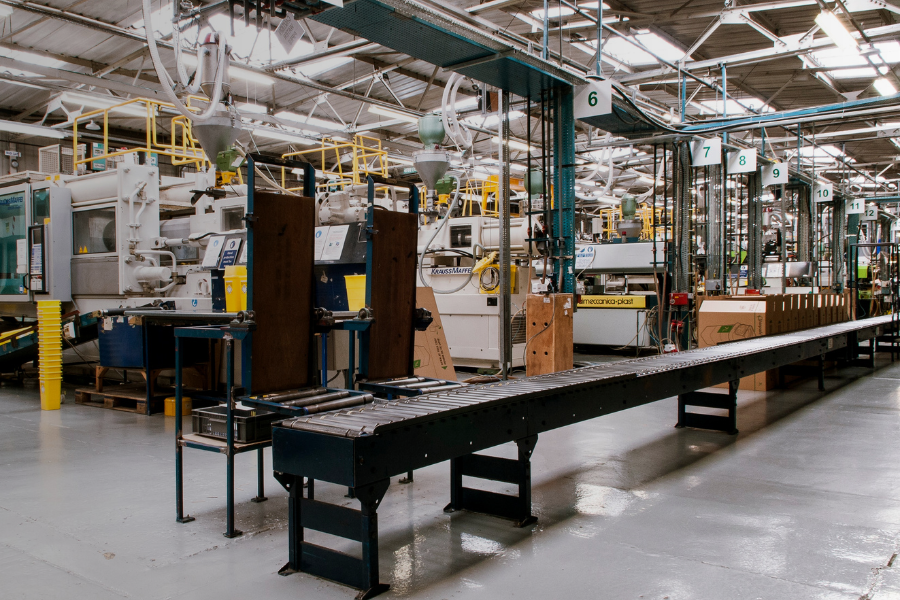
Food and beverage manufacturing facilities operate in highly dynamic environments where safety, hygiene, and operational continuity must work in balance. While production efficiency and quality control are often the primary focus, property and fire-related risks can significantly impact business continuity, regulatory compliance, and brand reputation. Understanding and managing occupancy hazards is essential to protecting people, assets, and long-term operational performance.
The Risk Landscape: What Puts Your Client’s Facility at Risk
Food and beverage sites typically combine high staff numbers, high levels of automation, temperature-controlled environments, often heat sources in the process, and large volumes of packaging and raw materials. These conditions can introduce a unique set of hazards, including:
- Combustible dust from flour, sugar, spices, and powdered ingredients
- High fire loads from packaging materials such as cardboard, plastic wrap, and wooden pallets
- Refrigeration system risks, including ammonia or high-pressure CO₂ systems
- Electrical exposure in wet, humid, or corrosive processing areas
- Cooking or Heating used in the process and introducing ignition sources
- Forklift charging or refuelling arrangements
- Dangerous Goods such as flammable liquids and vapours
- Maintenance and hot work activities that may introduce ignition sources
When not properly managed, these risks can lead to fire, explosion, contamination, or extended production downtime—often resulting in financial loss and reputational impact.
Protecting Operations Through Proactive Risk Management
A single incident in a food or beverage facility can disrupt supply chains, trigger regulatory intervention, and compromise product safety. Beyond physical damage, the cost of business interruption and lost customer confidence can far exceed the value of the assets affected.
Proactive risk management supports:
- Operational resilience and reduced downtime
- Regulatory compliance and audit readiness
- Lower insurance exposure and improved risk quality
- Protection of staff, customers, and brand reputation
Implementing proactive risk management strategies can take many forms. Some examples include:
- Fire Protection Systems: Well designed and regularly tested sprinkler and fire water systems to protect assets and equipment.
- Housekeeping and Dust Control: Routine cleaning and effective extraction systems to prevent dust buildup in processing and overhead areas. This improves food safety conditions and also helps reduce fire load in the vicinity of inception hazards such as forklifts or switchboards.
- Electrical Safety Programs: Periodic inspections and thermal imaging to identify overheating or failing components early.
- Refrigeration Safety Measures: Gas (leak) detection systems, emergency ventilation, and staff training for ammonia or CO₂ systems.
- Controlled Maintenance Practices: Formal hot work permits and supervision to reduce ignition risks during repairs and upgrades.
Building Confidence, Continuity, and Long-Term Growth
In today’s competitive food and beverage sector, operational resilience has become a critical business advantage. A strong risk management approach not only protects physical assets but also safeguards production continuity, regulatory compliance, and the reputation that customers and partners rely on.
By identifying occupancy hazards and implementing targeted risk controls, manufacturers can strengthen workplace safety, improve insurance outcomes, and maintain reliable operations. The result is greater confidence in daily operations and a stronger foundation for sustainable growth and long-term business success.
@ Risk Underwriting interrogate underwriting submissions to understand how organisations are managing these occupational hazards. Our risk score process will provide premium benefits to those who are proactive in the way these risks are managed and our in-house risk management support can assist you and your client in efforts to improve risk mitigation for occupational hazards.
If you feel that your client could need some support, let @ Risk partner with you and your client to enhance their risk management practices in a planned and proactive manner, delivering a return on investment through premium reductions once risk improvements are implemented.
For more information and enquiries, please contact us.
Recent Comments