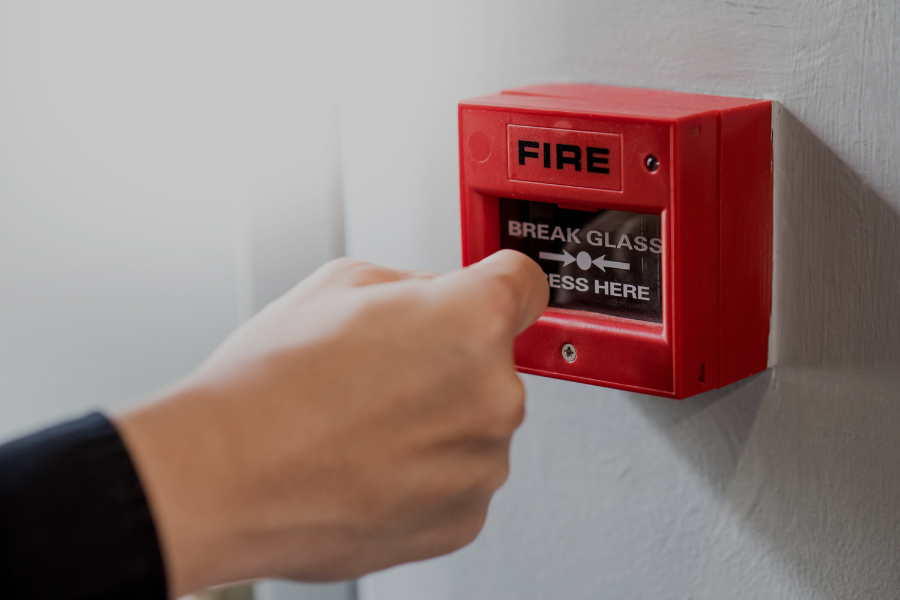
Sprinkler systems are widely recognized as the most effective form of fire protection available in the market, significantly reducing property damage and saving lives. However, sprinklers are not cheap. We would love all our policy holders to invest in sprinklers, but we know that’s not practical. Depending on the size of the insured’s site and the available water supply, installation costs could be in the millions. For many businesses and property owners, the decision to install sprinklers often comes down to a cost-benefit analysis, with one of the critical measures of benefit being the premium reduction. While the installation of sprinkler systems can lead to substantial insurance premium reductions, the high upfront capital cost can impact the financial viability of the investment.
Premium Reductions and Insurance Benefits
When talking to brokers about sprinkler protection, the one question we are always asked is, “How much we will save on our premiums”. Our analysis indicates that the installation of sprinkler systems can result in insurance premium reductions ranging from 30% to 50%. Businesses and property owners who invest in these systems benefit from lower premiums, and when we factor in that these savings are locked in each year moving forward, this can translate into considerable long-term savings. Additionally, properties with sprinkler systems often experience faster recovery times after a fire, reducing business interruption losses—another key consideration for both insured and insurer.
The High Capital Cost and Payback Period
Despite the clear insurance benefits, the cost of installing a sprinkler system remains a major financial hurdle for your clients. Depending on the size and type of property, the installation cost can be substantial, often requiring significant upfront capital investment. Based on our analysis, the payback period for sprinkler installations, when considering insurance premium savings alone, typically falls within the range of 7 to 10 years. Purely as a Capex hurdle for an investment decision, this doesn’t hit the mark for most organisations. This extended payback period means that your clients must weigh the long-term financial advantages against the short-term financial burden.
Other Benefits
Beyond insurance savings, there are other compelling reasons to invest in sprinkler protection that need to be factored into this cost benefit. A particular benefit that we always emphasise is the protection of your client’s market share. Protecting a key asset with sprinklers can mean that the operational response to fire events is quick, meaning that interruption of supply to customers is minimised, if not eliminated. Where this is the case your clients will avoid providing competitors with an opportunity to consume their market share. Sprinklers can also enhance property value and attract tenants who prioritize fire safety. For your clients, minimizing fire-related disruptions can preserve reputation and operational continuity, further justifying the investment.
Conclusion
While the high capital cost of installing sprinkler systems can make the decision challenging, the long-term benefits—particularly in terms of insurance savings, limiting interruption, protecting market share, and regulatory compliance—make it a worthwhile consideration. For your clients that take a long-term outlook, the investment in sprinkler protection provides not only financial advantages but also enhanced safety and resilience against fire-related losses. Ultimately, understanding both the cost implications and insurance benefits is key to supporting your clients in making an informed decision about fire protection investments.
For more information and enquiries, please contact us.
Recent Comments